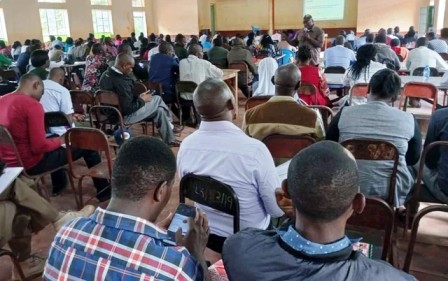
Computer Science teachers are urging Parliament to step up support for Science, Technology, Engineering, and Mathematics (STEM) education, warning that Kenya risks falling behind in the global technology race if decisive measures are not taken.
In a petition to the Public Petitions Committee, the Computer Science Teachers Association of Kenya (CSTAK) said that current programs under the Competency-Based Education framework, including coding, are too limited to prepare learners with the skills needed in a rapidly evolving digital world.
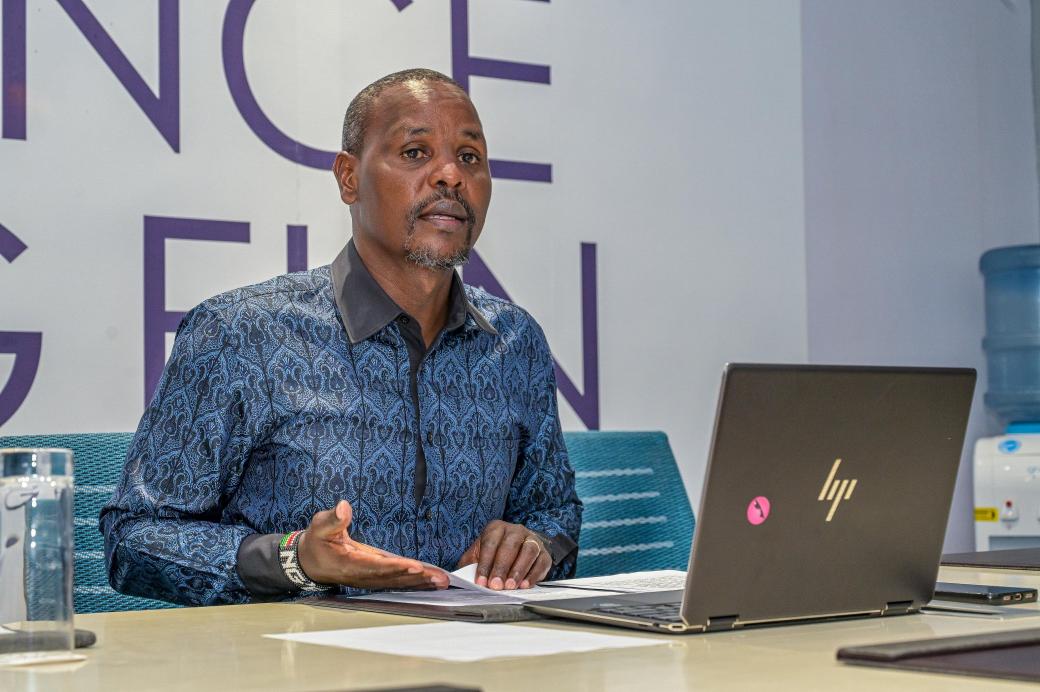
“Unlike extracurricular activities such as music, drama and sports, STEM activities, particularly robotics, the lack of formal financial and policy support, is resulting in unequal access, especially among marginalised communities,” CSTAK chairperson Fred Sagwe said.
The association acknowledged ongoing initiatives, such as the rollout of coding and the hiring of STEM teachers by the Teachers Service Commission, but emphasized that these measures remain introductory and fall short of developing deeper technical expertise.
CSTAK proposed a national policy and funding plan for STEM and robotics, structured teacher training and certification in areas including artificial intelligence, cybersecurity, robotics, and data science, and stronger inclusion of practical, hands-on learning in the curriculum.
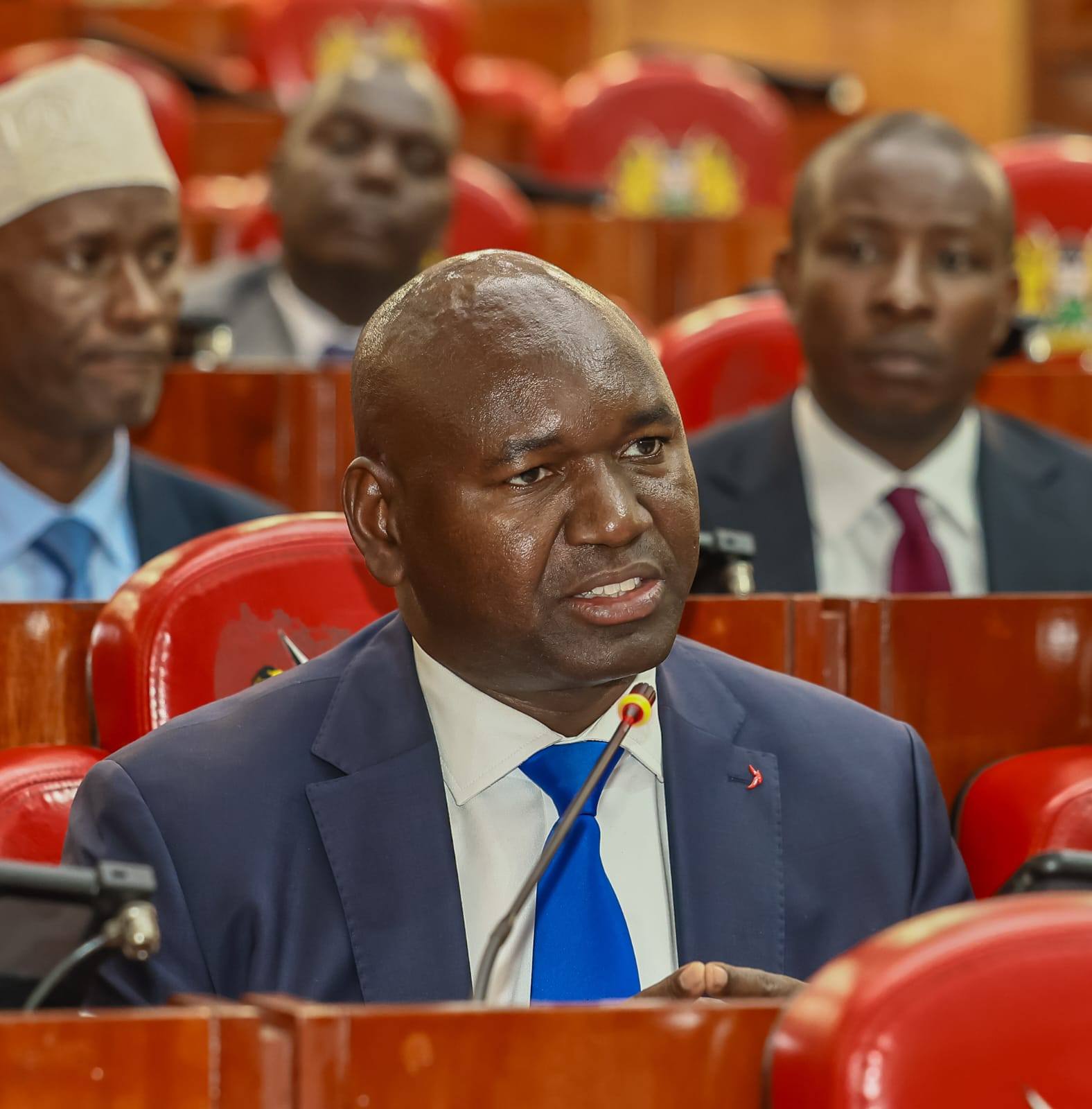
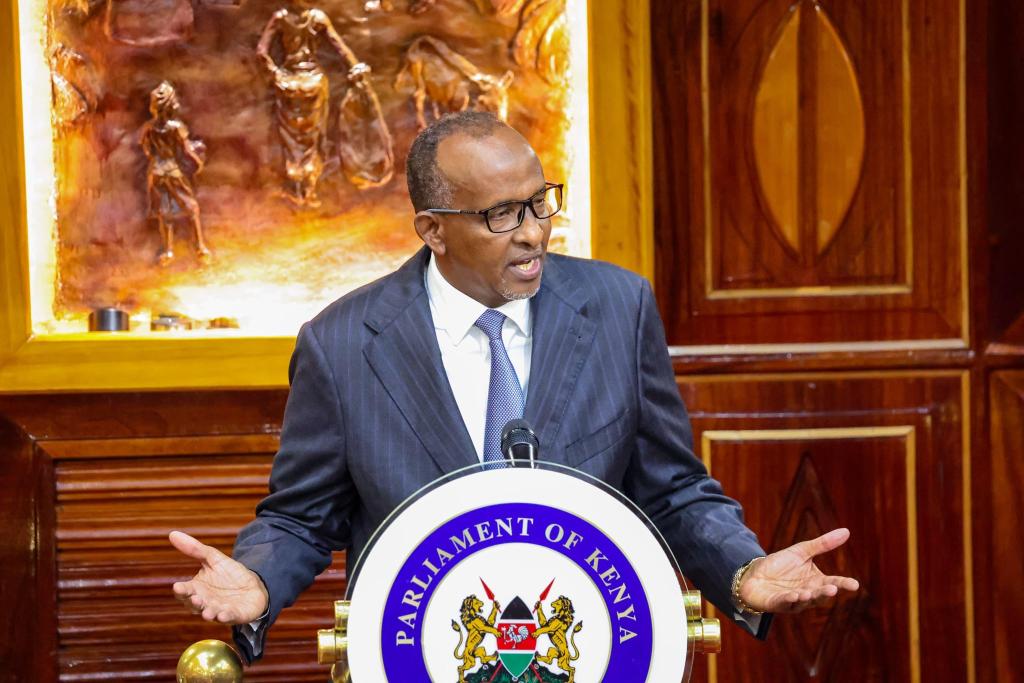
Runyenjes MP Muchangi Karemba, who chairs the Public Petitions Committee, said the panel will carefully consider the petition and advise on possible legislative and policy interventions to address the challenges highlighted.
Data from the 2025 Kenya Junior Secondary Education Assessment (KJSEA) shows that out of 1,330,459 candidates, 59 per cent demonstrated the potential to pursue STEM pathways, 42 per cent showed aptitude for Social Sciences, and 48 per cent excelled in Arts and Sports.
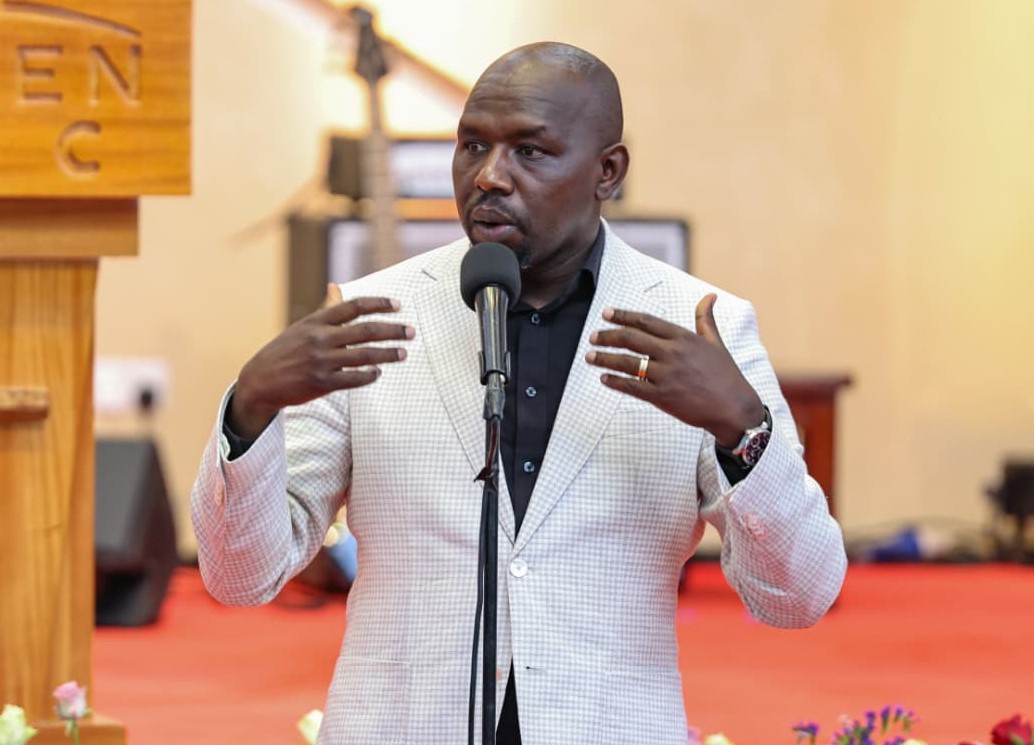
“Of the 1,330,459 learners who sat for the exam, 59 per cent demonstrated potential to pursue the STEM pathway. Meanwhile, 42 per cent showed potential for the Social Sciences pathway, and 48 per cent for the Arts and Sports pathway,” Education Cabinet Secretary Julius Ogamba said.
He noted that the results highlight growing interest in innovation, science, and technology, and will guide investments in school infrastructure and teacher capacity building.
Despite strong interest in STEM, learners continue to show abilities across Social Sciences, Arts, and Sports, emphasizing the need for a well-rounded education that nurtures diverse talents.



















Comments
Sign in with Google to comment, reply, and like comments.
Continue with Google